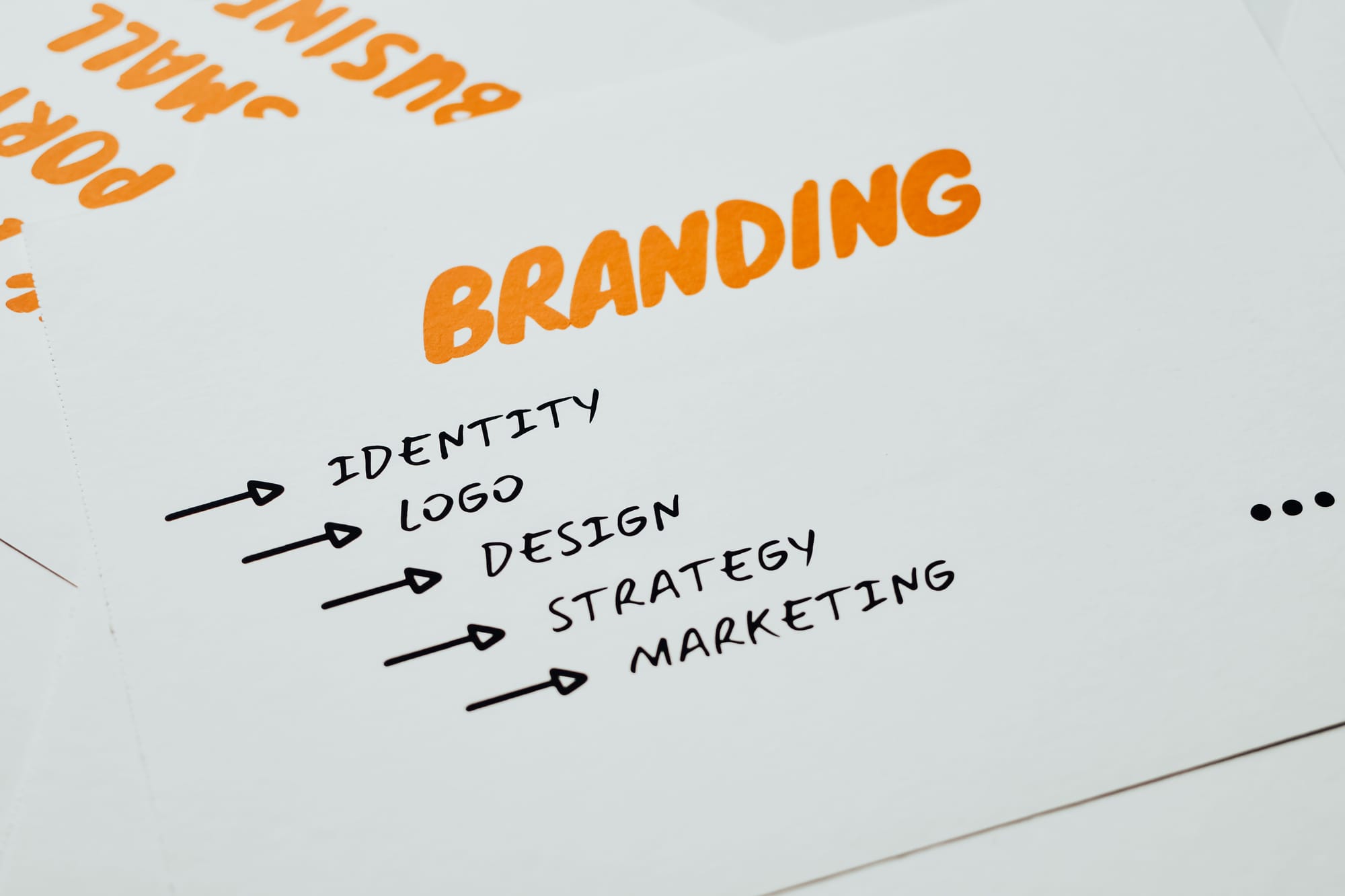
In today's digital landscape, first impressions happen faster than ever.
Before reading an article, exploring a product, or engaging with a service, people make immediate judgments based on visual cues. Typography, color, imagery, spacing, and layout all contribute to how a brand is perceived within seconds.
This is why visual identity has become one of the most important assets a modern brand can develop.
A visual identity is not simply a logo or a collection of design elements. It is a complete system that shapes how audiences recognize, understand, and remember a brand.
When designed effectively, it creates consistency, trust, and emotional connection across every interaction.
This completes the post demonstration. Feel free to use the Ghost admin to edit, remove, or customize any of this content after importing the JSON file.
What Is a Visual Identity?
A visual identity is the collection of visual elements that represent a brand.
These elements work together to create a recognizable and cohesive experience.
A typical identity system includes:
- Logo and logo variations
- Typography system
- Color palette
- Photography direction
- Illustration style
- Iconography
- Layout principles
- Design components
Each element contributes to a larger visual language that helps audiences identify the brand regardless of where they encounter it.
The goal is not merely to look attractive.
The goal is to become recognizable.
Why Visual Identity Matters More Than Ever
Digital audiences interact with brands across dozens of platforms.
A customer may discover a company through social media, visit its website, subscribe to a newsletter, watch a video, and later purchase a product.
Every interaction contributes to brand perception.
Without a consistent visual identity, these experiences can feel disconnected.
Strong visual systems create continuity across:
- Websites
- Mobile applications
- Social media
- Email campaigns
- Digital advertisements
- Presentation materials
- Product interfaces
Consistency helps audiences build familiarity and confidence over time.
"People don't remember every message a brand shares. They remember how consistently the brand presents itself."
Start With Brand Strategy
Many organizations begin designing visual identities too early.
They focus on logos and colors before defining what the brand actually stands for.
Effective identity systems are built upon strategy.
Before designing visual assets, brands should understand:
Purpose
Why does the brand exist?
Audience
Who is the brand serving?
Positioning
How is the brand different from competitors?
Personality
What characteristics define the brand's voice and behavior?
The answers to these questions provide direction for every design decision that follows.
Typography Shapes Personality
Typography is often one of the most influential components of a visual identity.
Different typefaces communicate different emotions and characteristics.
For example:
- Serif fonts often communicate heritage and authority.
- Sans-serif fonts often feel modern and approachable.
- Geometric typefaces may feel structured and innovative.
- Humanist fonts often appear warm and accessible.
Typography influences how audiences perceive a brand before they even begin reading.
A carefully selected type system helps reinforce brand personality while improving readability.
Color Creates Recognition
Color is one of the fastest ways people identify brands.
Many of the world's most recognizable companies are strongly associated with specific colors.
An effective color system should:
- Reflect brand personality
- Support accessibility standards
- Work across digital and print applications
- Provide sufficient flexibility for various content types
Rather than relying on a single brand color, modern identity systems often use structured color palettes that support multiple use cases while maintaining consistency.
Photography and Imagery Matter
Visual content plays a significant role in shaping brand perception.
Photography should feel intentional rather than random.
Strong image direction helps create emotional consistency across channels.
When defining photography guidelines, brands should consider:
- Subject matter
- Composition style
- Lighting approach
- Color treatment
- Emotional tone
A recognizable photography style can become just as important as a logo in building brand recognition.
Design Systems Bring Structure
As brands grow, maintaining consistency becomes increasingly difficult.
This is where design systems provide value.
A design system documents the rules and principles that guide visual execution.
It often includes:
- Typography guidelines
- Color specifications
- Component libraries
- Grid systems
- Accessibility standards
- Interface patterns
Design systems help teams scale efficiently while preserving brand quality.
They ensure that every designer, developer, and content creator works from the same foundation.
Simplicity Wins in Digital Environments
Modern digital experiences demand clarity.
Users are exposed to enormous amounts of information every day.
Complex visual systems often create unnecessary friction.
The strongest identity systems typically prioritize:
- Clarity
- Consistency
- Scalability
- Accessibility
- Flexibility
Simple does not mean boring.
It means intentional.
A focused identity often creates stronger recognition than a complicated one.
Common Mistakes in Visual Identity Design
Many brands struggle because they prioritize aesthetics over usability.
Some common mistakes include:
Following Trends Too Closely
Trends fade quickly. Strong identities remain relevant for years.
Inconsistent Application
Even excellent design systems lose value when applied inconsistently.
Overcomplicating the System
Too many rules and visual elements can create confusion.
Ignoring Accessibility
Design should work for all users across different devices and environments.
Designing Without Strategy
Visual decisions should always support broader business goals.
Avoiding these mistakes helps create identities that perform effectively over time.
Looking Ahead
The future of branding will continue to be shaped by digital experiences.
New platforms, technologies, and content formats will emerge.
However, the fundamental purpose of visual identity will remain the same.
It will help people recognize, trust, and remember brands.
The most successful identity systems will not be those that follow every trend.
They will be the systems built on clear strategy, thoughtful design principles, and consistent execution.
Because in a crowded digital world, recognition is earned through repetition, clarity, and meaningful design.
A strong visual identity is not simply a design asset.
It is one of the most valuable business assets a brand can own.