


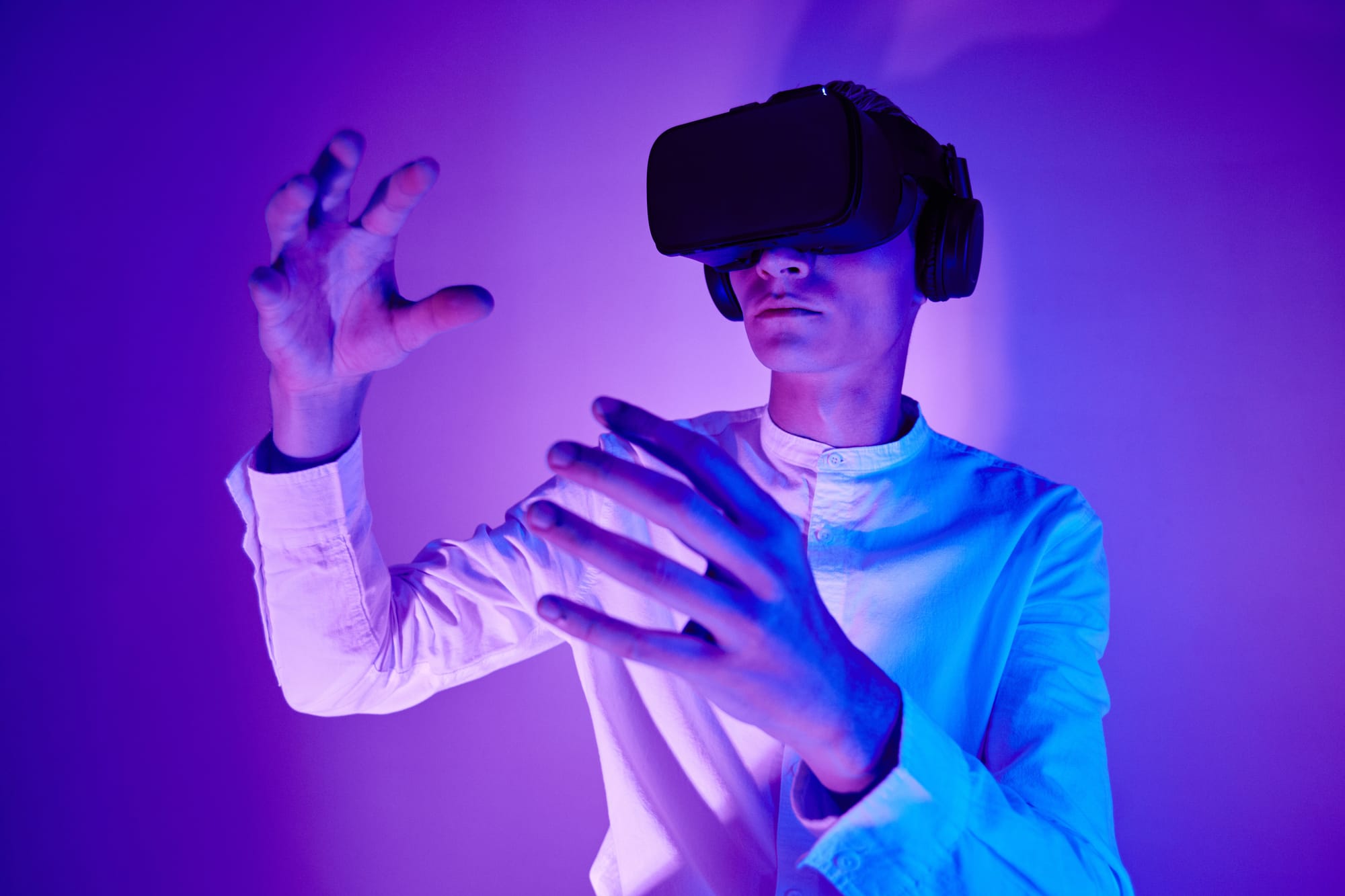
For much of the digital era, technology demanded our attention.
We learned how to navigate interfaces.
We memorized software workflows.
We adapted our behavior to fit the limitations of technology.
Today, that relationship is beginning to change.
The most innovative digital products are no longer asking users to learn complex systems. Instead, they are adapting to people.
Technology is becoming more intelligent, more contextual, and more capable of anticipating needs.
As a result, a new design philosophy is emerging.
The future belongs to digital experiences that feel invisible.
Not because they disappear entirely, but because they remove friction so effectively that users focus on their goals rather than the technology itself.
When Great Design Disappears
People often notice poor experiences immediately.
A confusing checkout process.
A slow-loading application.
A frustrating navigation system.
These issues draw attention because they interrupt progress.
Great experiences have the opposite effect.
They allow users to move seamlessly from intention to action.
The interface becomes secondary.
The outcome becomes primary.
This is the essence of invisible design.
The product works so naturally that users rarely think about how they are using it.
"The highest form of design is not making users notice the interface. It is helping them forget it exists."
From Interfaces to Intent
Traditional digital experiences are built around interfaces.
Users click buttons, navigate menus, and follow predefined paths.
Increasingly, technology is shifting toward understanding intent.
Instead of telling software exactly how to perform a task, users simply describe what they want to achieve.
Examples already exist in:
- AI assistants
- Voice interfaces
- Smart search experiences
- Personalized recommendations
- Automated workflows
The system handles complexity behind the scenes.
Users focus on outcomes.
This transition represents one of the most significant changes in product design since the rise of graphical user interfaces.
The Role of Artificial Intelligence
Artificial intelligence is accelerating the movement toward invisible experiences.
AI systems can:
- Anticipate user needs
- Automate repetitive tasks
- Personalize interactions
- Generate content
- Surface relevant information
Rather than requiring constant input, intelligent systems increasingly operate as proactive assistants.
For example:
A calendar application may automatically identify scheduling conflicts.
A writing tool may suggest improvements while content is being created.
A navigation app may recommend better routes before traffic becomes a problem.
The technology fades into the background while value remains visible.
Simplicity Is Becoming a Competitive Advantage
As digital products grow more powerful, simplicity becomes increasingly valuable.
Users do not necessarily want more features.
They want fewer obstacles.
Organizations often assume innovation requires adding complexity.
However, many successful products succeed by removing complexity.
Invisible experiences prioritize:
Clarity
Users immediately understand what to do.
Efficiency
Tasks require fewer steps.
Focus
Interfaces emphasize what matters most.
Confidence
People trust systems that feel predictable and intuitive.
The future of digital design will be defined less by feature counts and more by friction reduction.
Designing for Context
One reason invisible experiences are becoming possible is the growing availability of contextual information.
Modern systems increasingly understand:
- Location
- Device type
- User preferences
- Behavioral patterns
- Time of day
- Historical interactions
This information allows products to adapt dynamically.
Instead of presenting every option at once, systems can surface the most relevant actions at the right moment.
Context reduces cognitive load and improves decision-making.
When used responsibly, it creates experiences that feel remarkably natural.
Ambient Computing and Everyday Life
Technology is no longer confined to screens.
Connected devices are becoming part of homes, workplaces, vehicles, and public environments.
This shift is often described as ambient computing.
Technology becomes present without demanding constant attention.
Examples include:
- Smart home systems
- Voice assistants
- Wearable devices
- Connected vehicles
- Intelligent workspaces
These technologies blend into daily life rather than competing for attention.
The best experiences support people quietly and efficiently.
Trust Becomes More Important
As technology becomes less visible, trust becomes more important.
Users may not always understand how intelligent systems make decisions.
This creates new responsibilities for designers and organizations.
Invisible experiences must still remain:
- Transparent
- Ethical
- Explainable
- Secure
- User-controlled
People should feel empowered, not manipulated.
Trust is essential because invisible systems often operate behind the scenes.
When trust is lost, adoption declines rapidly.
The future of design depends on balancing convenience with accountability.
Accessibility Through Simplicity
Invisible experiences have the potential to improve accessibility significantly.
Reducing complexity helps a broader range of users interact with digital products effectively.
Benefits include:
- Easier navigation
- Reduced cognitive load
- Improved readability
- Better voice interactions
- Enhanced usability across devices
When experiences become simpler, they often become more inclusive.
Accessibility and simplicity frequently reinforce one another.
The Designer's Evolving Role
As products become increasingly intelligent, the role of designers continues to evolve.
Designers are no longer focused solely on screens and interfaces.
They are shaping systems, behaviors, and experiences.
Modern design responsibilities increasingly include:
Defining Intent
Understanding what users truly want to accomplish.
Reducing Friction
Identifying unnecessary complexity.
Building Trust
Creating transparent and predictable experiences.
Designing Human-AI Collaboration
Ensuring intelligent systems support rather than overwhelm users.
The focus shifts from designing interactions to designing outcomes.
Looking Ahead
The future of digital experiences will not be measured by how much technology users can see.
It will be measured by how effectively technology helps people achieve their goals.
The most successful products will feel effortless.
They will anticipate needs without becoming intrusive.
They will reduce complexity without sacrificing control.
They will deliver value without demanding constant attention.
Technology will continue becoming more powerful.
Yet the most remarkable innovation may be making that power disappear into the background.
Because the ultimate goal of design has never been to showcase technology.
It has always been to help people.
And the best experiences of the future may be the ones users barely notice at all.
