The modern world is more connected than ever before.
Notifications arrive around the clock. Work follows us home through laptops and smartphones. Information is constantly available, and digital experiences increasingly shape how we spend our days.
While technology has brought remarkable convenience and productivity, it has also introduced new challenges.
Stress levels continue to rise.
Attention spans are under pressure.
Many people struggle to disconnect and recharge.
As a result, designers are rethinking the role of interior spaces.
The question is no longer simply how a space looks.
The question is how a space makes people feel.
Designing for well-being has become one of the most important priorities in contemporary interior design.
The Relationship Between Space and Health
The environments we inhabit influence us more than we often realize.
Light, sound, temperature, materials, layout, and visual stimulation all affect physical and emotional well-being.
Research continues to demonstrate connections between environmental quality and:
- Productivity
- Stress levels
- Sleep quality
- Cognitive performance
- Emotional health
- Overall comfort
Interior design has the ability to support healthier daily experiences by creating spaces that respond to human needs.
Wellness-focused design considers both functionality and psychology.
"A well-designed space does more than accommodate life—it actively improves the way people experience it."
Why Well-Being Matters More Today
Historically, homes served as places for rest and family life.
Today, they often support multiple roles simultaneously.
A single home may function as:
- Workplace
- Learning environment
- Entertainment space
- Fitness area
- Social gathering place
- Personal retreat
This shift places greater demands on interior environments.
Spaces must now support concentration, relaxation, collaboration, and recovery within the same footprint.
Designers are increasingly tasked with creating flexible environments that help people navigate these competing demands.
Natural Light as a Wellness Tool
One of the most influential elements in any interior space is natural light.
Exposure to daylight supports:
Better Sleep Cycles
Natural light helps regulate circadian rhythms.
Improved Mood
Bright environments often contribute to emotional well-being.
Increased Productivity
Daylit spaces support focus and cognitive performance.
Reduced Energy Consumption
Natural illumination decreases reliance on artificial lighting.
Designers frequently prioritize window placement, reflective surfaces, and open layouts to maximize access to daylight.
Natural light remains one of the simplest and most effective wellness strategies available.
The Growing Importance of Biophilic Design
Humans have a natural connection to nature.
Biophilic design seeks to strengthen that connection within built environments.
This approach may include:
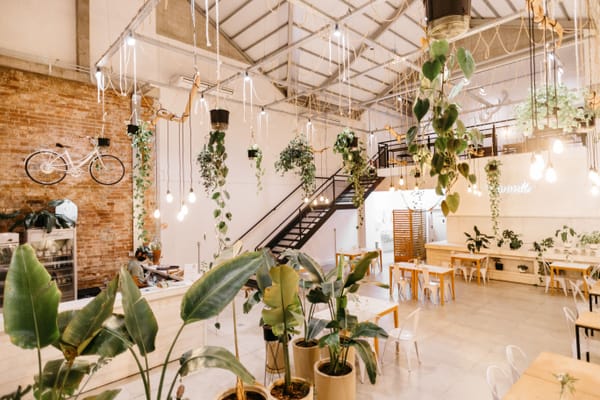
- Indoor plants
- Natural materials
- Organic textures
- Water features
- Views of nature
- Natural color palettes
Research suggests that nature-inspired environments can reduce stress and improve overall well-being.
As urban living continues to expand, biophilic design provides opportunities to reconnect people with natural elements.
Designing for Focus and Digital Balance
Technology is essential to modern life, but constant connectivity can create cognitive fatigue.
Interior design can help establish healthier relationships with digital devices.
Strategies include:
Dedicated Work Zones
Separating work activities from personal spaces.
Device-Free Areas
Creating environments that encourage rest and conversation.
Acoustic Comfort
Reducing distractions and improving concentration.
Thoughtful Layout Planning
Supporting different activities without conflict.
The objective is not to eliminate technology.
The objective is to create balance.
Spaces should support productivity while also encouraging recovery.
Air Quality and Physical Comfort
Wellness begins with environmental quality.
Factors such as air circulation, temperature, and humidity directly affect comfort and health.
Modern interiors increasingly incorporate:
- Air purification systems
- Improved ventilation
- Low-emission materials
- Smart climate controls
- Indoor environmental monitoring
These features often operate quietly in the background while contributing significantly to occupant well-being.
Comfort is often most noticeable when it is missing.
Great design ensures it remains consistently present.
Materials That Support Wellness
Material selection influences both aesthetics and health.
Designers are paying closer attention to the impact materials have on indoor environments.
Preferred choices often include:
Natural Wood
Adds warmth and tactile comfort.
Stone and Mineral Finishes
Create visual connection to nature.
Low-VOC Paints and Finishes
Improve indoor air quality.
Sustainable Textiles
Support environmental and human health goals.
Soft Acoustic Materials
Reduce noise and improve comfort.
These materials contribute to environments that feel healthier, calmer, and more welcoming.
Technology as a Wellness Partner
Technology is increasingly being used to support well-being rather than distract from it.
Smart systems can now help optimize:
- Lighting conditions
- Indoor air quality
- Temperature settings
- Energy efficiency
- Sleep environments
For example, lighting systems may gradually adjust throughout the day to support natural biological rhythms.
Climate controls may learn user preferences and maintain ideal comfort levels automatically.
The most effective wellness technologies are often invisible.
Users notice the benefits rather than the systems themselves.
Emotional Design and Personal Connection
Well-being is not purely physical.
Emotional comfort matters equally.
Spaces that reflect personal identity often create stronger feelings of belonging and satisfaction.
Designers can foster emotional well-being through:
- Meaningful artwork
- Personal collections
- Familiar textures
- Comfortable furnishings
- Thoughtful color palettes
These elements help transform houses into homes and workplaces into environments people genuinely enjoy occupying.
Personal connection remains an essential part of wellness-focused design.
The Future of Wellness-Centered Spaces
As society becomes increasingly digital, the role of physical environments will continue to evolve.
Future interiors may incorporate:
Adaptive Lighting Systems
Responding dynamically to user needs.
Wellness Analytics
Providing insights into environmental quality.
Flexible Living Spaces
Supporting multiple daily activities.
Enhanced Biophilic Integration
Bringing nature deeper into built environments.
Personalized Environmental Controls
Allowing spaces to adapt to individual preferences.
These innovations will help create healthier and more responsive environments.
Looking Ahead
The digital age has transformed how people work, communicate, and live.
As technology becomes more integrated into everyday life, the importance of thoughtfully designed physical environments continues to grow.
The spaces of the future will not simply be beautiful.
They will support health.
They will encourage balance.
They will promote focus, comfort, and recovery.
Most importantly, they will recognize that design is not just about creating attractive interiors.
It is about creating environments that improve quality of life.
Because the true measure of a successful space is not how impressive it appears.
It is how positively it influences the people who experience it every day.