For thousands of years, agriculture has been the foundation of human civilization.
While farming methods have evolved gradually over time, recent technological advancements are accelerating change at an unprecedented pace.
Today, farmers have access to tools that would have seemed impossible just a decade ago.
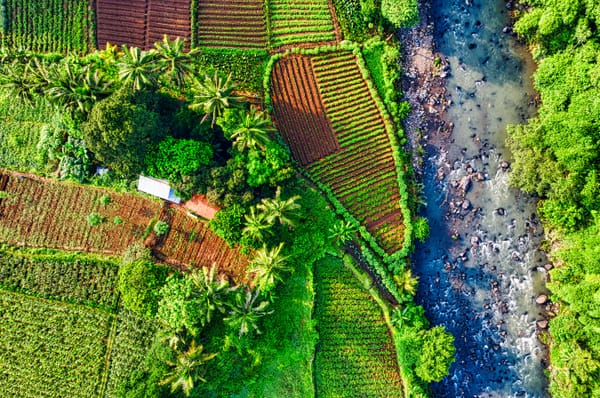
Drones monitor crop health from the sky.
Sensors collect real-time soil data.
Artificial intelligence predicts harvest outcomes.
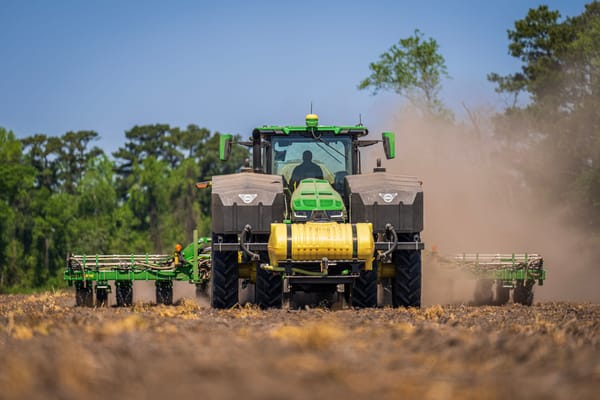
Autonomous equipment reduces labor demands.
Agriculture is becoming increasingly data-driven, efficient, and sustainable.
The challenge facing modern agriculture is clear.
Global food demand continues to rise while resources such as water, arable land, and labor become increasingly constrained.
Technology is emerging as one of the most important solutions.
The Need for Agricultural Innovation
The world's population is expected to continue growing throughout the coming decades.
At the same time, farmers face increasing pressure from:
- Climate variability
- Water scarcity
- Rising production costs
- Labor shortages
- Soil degradation
- Supply chain disruptions
Traditional farming practices alone may not be sufficient to address these challenges.
Innovation is becoming essential for ensuring long-term food security.
Technology allows farmers to make better decisions, reduce waste, and improve productivity without expanding resource consumption.
"The future of agriculture will be shaped not only by what farmers grow, but by how intelligently they manage resources."
Precision Agriculture Changes Decision-Making
One of the most significant developments in modern farming is precision agriculture.
Rather than treating entire fields uniformly, precision farming allows producers to manage specific areas based on actual conditions.
Using data from sensors, satellites, and drones, farmers can monitor:
- Soil moisture
- Nutrient levels
- Crop growth
- Pest activity
- Weather conditions
This information enables more targeted actions.
Instead of applying water, fertilizer, or crop protection products uniformly, resources can be directed exactly where they are needed.
The result is improved efficiency and reduced waste.
The Rise of Smart Sensors
Connected sensors are becoming increasingly common across agricultural operations.
These devices continuously collect environmental data and provide valuable insights.
Examples include:
Soil Moisture Sensors
Help optimize irrigation schedules.
Weather Monitoring Systems
Provide localized climate information.
Livestock Monitoring Devices
Track animal health and behavior.
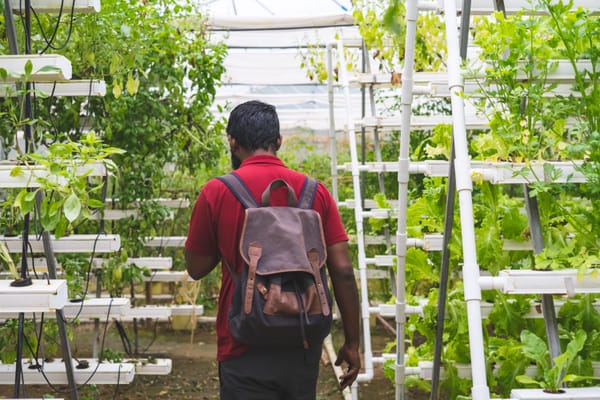
Greenhouse Sensors
Maintain optimal growing conditions.
Real-time information allows farmers to respond more quickly and accurately to changing conditions.
Drones Are Transforming Field Monitoring
Traditionally, monitoring large agricultural fields required significant time and labor.
Drones now provide an efficient alternative.
Modern agricultural drones can:
- Capture high-resolution imagery
- Detect crop stress
- Identify disease outbreaks
- Monitor irrigation performance
- Generate field maps
This aerial perspective helps farmers identify issues before they become major problems.
Early intervention often leads to better yields and reduced costs.
Artificial Intelligence in Agriculture
Artificial intelligence is rapidly becoming a valuable agricultural tool.
AI systems can analyze large volumes of data and identify patterns that may be difficult for humans to detect.
Applications include:
Yield Prediction
Forecasting production outcomes.
Disease Detection
Identifying plant health issues early.
Resource Optimization
Improving water and fertilizer usage.
Market Analysis
Supporting pricing and planning decisions.
AI helps transform raw agricultural data into actionable insights.
Farmers remain responsible for decision-making, but technology improves the quality of available information.
Sustainability Through Smart Farming
Modern agriculture faces increasing pressure to operate sustainably.
Technology helps balance productivity with environmental responsibility.
Benefits include:
- Reduced water consumption
- Lower chemical usage
- Improved soil management
- Reduced emissions
- Better resource allocation
Precision tools allow farmers to achieve more with fewer inputs.
This contributes to both economic and environmental sustainability.
Automation Addresses Labor Challenges
Labor shortages have become a growing concern in many agricultural regions.
Automation offers potential solutions.
Emerging technologies include:
- Autonomous tractors
- Robotic harvesters
- Automated irrigation systems
- Smart feeding systems
These technologies help reduce repetitive labor while improving operational efficiency.
Automation is particularly valuable for large-scale operations where labor availability remains unpredictable.
Data Becomes a Farming Asset
Historically, agricultural knowledge was primarily based on experience and observation.
Today, data is becoming one of the industry's most valuable assets.
Farmers can now access information from:
- Weather systems
- Satellite imagery
- Equipment sensors
- Crop monitoring platforms
- Market intelligence tools
This data helps improve planning and risk management.
The ability to make informed decisions increasingly separates successful operations from less efficient ones.
The Future of Agriculture
Innovation in agriculture continues to accelerate.
Future developments may include:
Autonomous Field Operations
Reducing labor dependence.
Advanced Predictive Analytics
Improving planning accuracy.
AI-Powered Farm Management
Supporting complex decision-making.
Climate-Adaptive Farming Systems
Responding to environmental challenges.
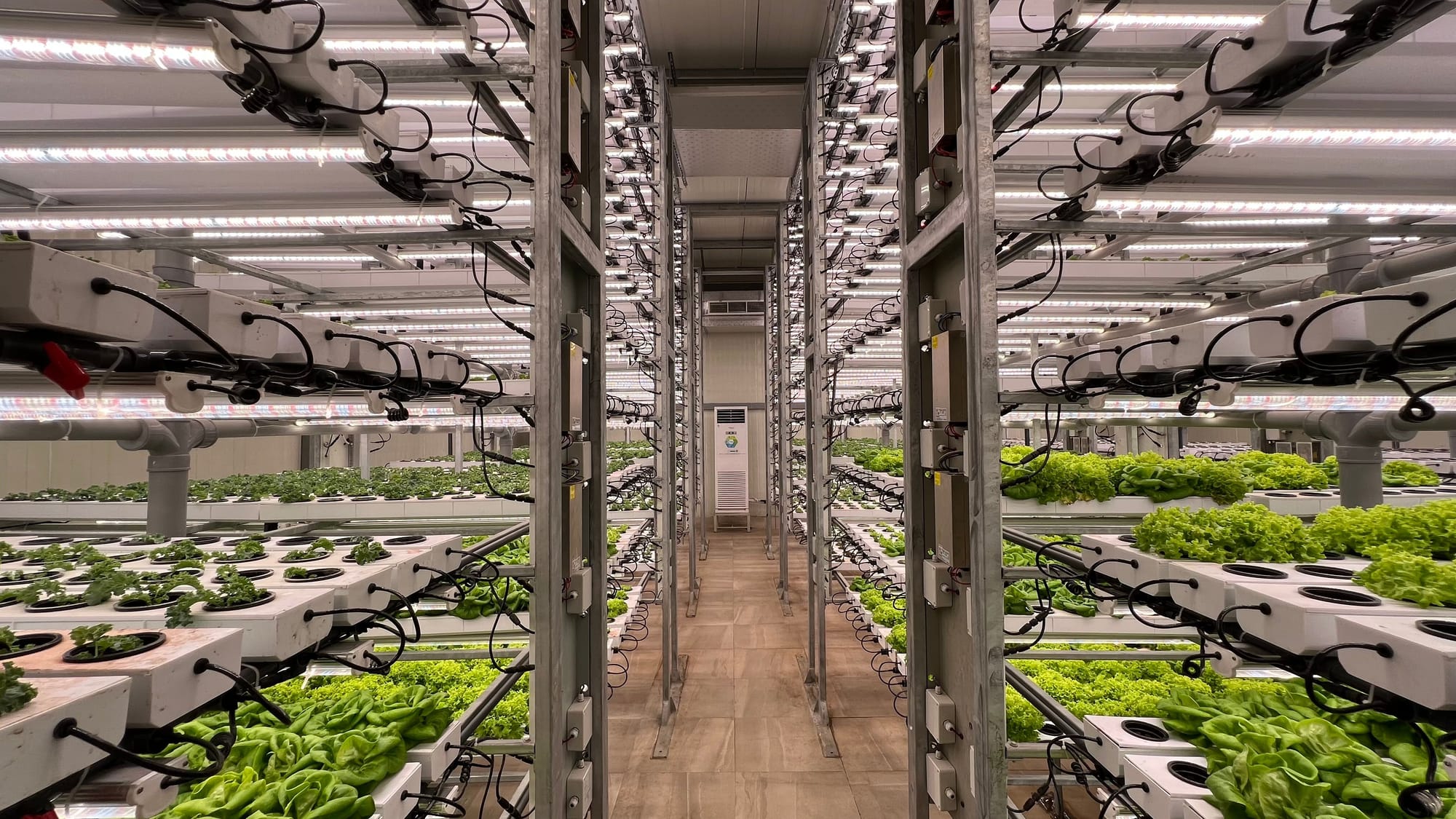
Vertical and Controlled Environment Agriculture
Expanding food production opportunities.
These technologies have the potential to increase resilience while improving productivity.
Looking Ahead
Agriculture has always evolved alongside human progress.
The next chapter of farming will be defined by the integration of technology, sustainability, and data-driven decision-making.
The goal is not to replace farmers.
The goal is to empower them.
Technology provides tools that help producers make better decisions, conserve resources, and meet growing global demand.
As innovation continues to reshape the agricultural landscape, the most successful farms will likely be those that combine traditional expertise with modern intelligence.
Because the future of agriculture is not simply about producing more food.
It is about producing food more responsibly, efficiently, and sustainably than ever before.