For centuries, agriculture has been closely tied to rural landscapes.
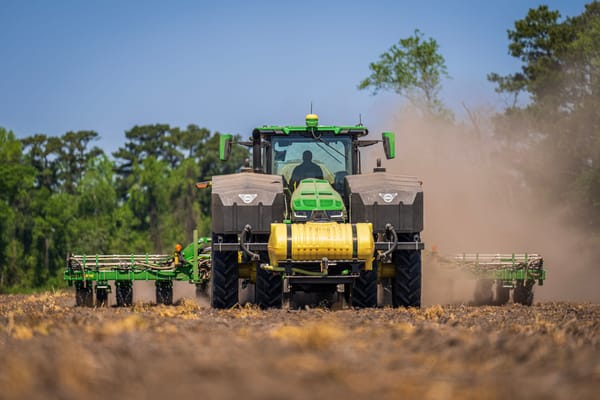
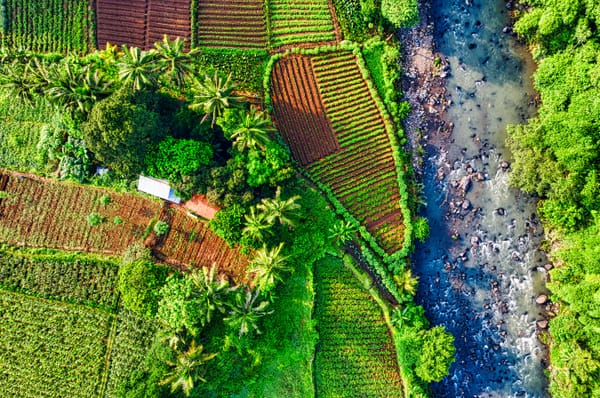
Fields, open land, and favorable weather conditions have traditionally determined where food could be produced.
Today, a new model is challenging that assumption.
Food is moving closer to cities.
Advances in controlled-environment agriculture are allowing crops to be grown inside buildings, warehouses, and urban facilities located just minutes from consumers.
This approach is known as vertical farming.
By stacking production systems vertically and using advanced technology to control growing conditions, vertical farms offer a new vision for how food can be produced in an increasingly urbanized world.
Why Urban Food Production Matters
Urban populations continue to grow rapidly across the globe.
As cities expand, several challenges emerge:
- Increased food demand
- Limited agricultural land
- Longer supply chains
- Transportation costs
- Food waste
- Environmental pressures
Traditional food systems often require products to travel hundreds or even thousands of kilometers before reaching consumers.
This process consumes energy, creates emissions, and increases vulnerability to disruptions.
Urban agriculture seeks to address these challenges by bringing food production closer to where people live.
"The future of food may not depend on expanding farmland, but on reimagining where farming takes place."
What Is Vertical Farming?
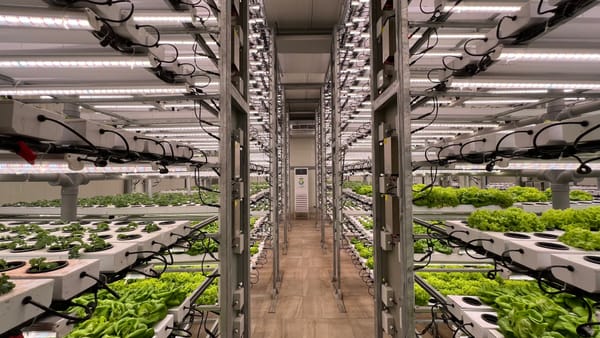
Vertical farming is the practice of growing crops in vertically stacked layers within controlled indoor environments.
Unlike conventional farming, vertical farms do not rely heavily on weather or seasonal conditions.
Instead, growing conditions are carefully managed using technology.
Common systems include:
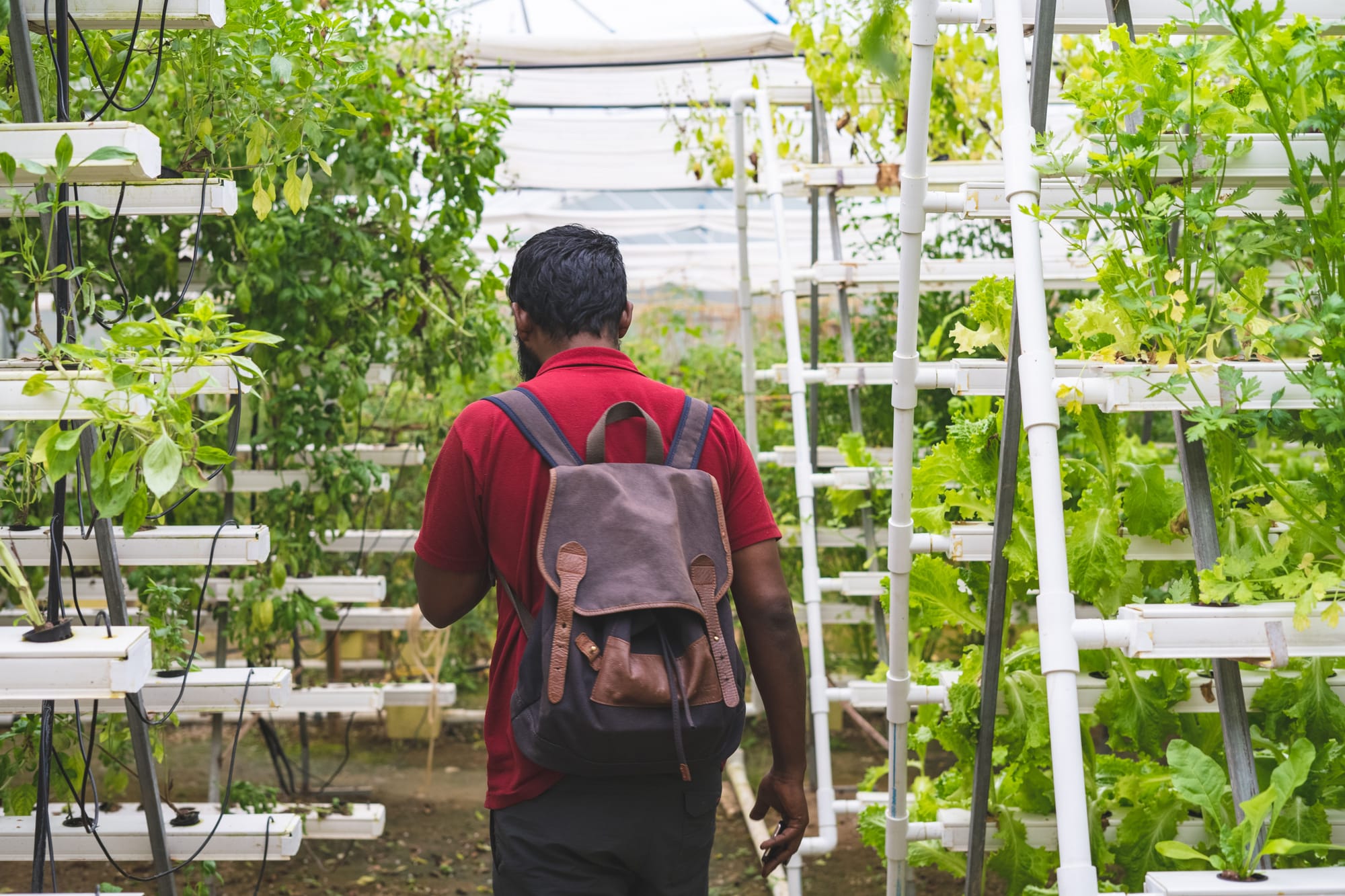
Hydroponics
Growing plants in nutrient-rich water solutions.
Aeroponics
Delivering nutrients through a fine mist directly to plant roots.
Aquaponics
Combining fish production with plant cultivation in a shared ecosystem.
These systems allow crops to grow efficiently while using significantly less land than traditional agriculture.
Making Agriculture Independent of Weather
One of the biggest advantages of vertical farming is environmental control.
Traditional agriculture is highly dependent on:
- Rainfall
- Temperature
- Sunlight
- Seasonal changes
- Extreme weather conditions
Vertical farms create stable growing environments year-round.
Controlled systems manage:
- Lighting
- Humidity
- Temperature
- Air circulation
- Nutrient delivery
This consistency helps improve crop quality while reducing production risks.
The Role of LED Technology
Lighting is one of the most important components of indoor farming.
Modern vertical farms rely heavily on energy-efficient LED systems.
Unlike conventional lighting, LEDs can be optimized for plant growth.
Benefits include:
Targeted Light Spectrums
Supporting different growth stages.
Reduced Energy Consumption
Improving operational efficiency.
Consistent Crop Development
Creating predictable growing conditions.
Year-Round Production
Eliminating dependence on seasonal daylight.
Advancements in lighting technology have been a major factor in the growth of vertical farming.
Producing More With Less Space
Land availability is becoming an increasingly important issue in many regions.
Vertical farming addresses this challenge by maximizing production density.
Instead of expanding horizontally, crops are grown in stacked layers.
This approach can dramatically increase output per square meter.
For urban environments where land is expensive and limited, this efficiency creates new opportunities for local food production.
Unused warehouses, industrial buildings, and commercial spaces can be transformed into productive growing facilities.
Water Efficiency and Resource Conservation
Water scarcity is becoming a growing concern worldwide.
Vertical farming systems often use significantly less water than conventional agriculture.
This efficiency is possible because water can be:
- Recycled
- Monitored
- Recaptured
- Delivered precisely
Many systems use closed-loop processes that minimize waste.
As a result, water consumption can be substantially lower while maintaining high levels of productivity.
Resource efficiency remains one of the strongest sustainability advantages of controlled-environment agriculture.
Reducing Food Miles
One of the major environmental benefits of urban farming is reduced transportation.
Traditional food supply chains often involve:
- Long-distance shipping
- Refrigerated transport
- Storage facilities
- Distribution networks
Each step contributes to costs and environmental impact.
Urban farms shorten these supply chains by producing food closer to consumers.
Benefits include:
Fresher Produce
Reduced time between harvest and consumption.
Lower Transportation Emissions
Shorter delivery distances.
Improved Supply Chain Resilience
Less dependence on external logistics.
Reduced Food Waste
Fewer losses during transportation and storage.
Local production strengthens food system efficiency.
The Challenges Facing Vertical Farming
Despite its potential, vertical farming is not without limitations.
Several challenges remain:
High Energy Requirements
Lighting and climate control systems consume significant power.
Initial Investment Costs
Building advanced facilities requires substantial capital.
Crop Limitations
Not all crops are currently suitable for indoor production.
Operational Complexity
Facilities require specialized knowledge and management.
Continued innovation will be essential for improving economic viability and scalability.
Technology Drives Continuous Improvement
Modern vertical farms increasingly rely on advanced technologies.
These may include:
Artificial Intelligence
Optimizing environmental conditions.
Automation
Reducing labor requirements.
Data Analytics
Improving operational performance.
Sensor Networks
Providing real-time monitoring.
Robotics
Supporting planting, harvesting, and maintenance activities.
Technology allows growers to make precise adjustments that improve efficiency and crop quality.
What the Future May Look Like
As urban populations continue to expand, vertical farming is likely to become an increasingly important part of the food production landscape.
Future developments may include:
Fully Automated Farms
Operating with minimal human intervention.
Renewable Energy Integration
Reducing environmental impact.
AI-Driven Crop Optimization
Improving yields and efficiency.
Building-Integrated Agriculture
Embedding food production directly into urban architecture.
Hyper-Local Food Systems
Producing food within neighborhoods and communities.
These innovations have the potential to reshape how cities think about food production.
Looking Ahead
Vertical farming is not intended to replace traditional agriculture entirely.
Instead, it represents an important addition to the broader food system.
By combining technology, sustainability, and urban infrastructure, vertical farming offers new possibilities for producing fresh food closer to consumers.
As challenges related to population growth, climate change, and resource constraints continue to evolve, innovative agricultural models will play an increasingly important role.
The future of farming may not be defined by larger fields or more land.
It may be defined by smarter systems, controlled environments, and the ability to grow food wherever people need it most.
Because the next generation of agriculture is not only about feeding growing populations.
It is about creating resilient, efficient, and sustainable food systems for the cities of tomorrow.