Every successful digital product eventually reaches a point where consistency becomes difficult to maintain.
New pages are created. Features expand. Teams grow. Designers, developers, marketers, and content creators all contribute to the user experience.
Without a shared framework, inconsistencies begin to appear.
Buttons behave differently.
Typography varies between pages.
Layouts become fragmented.
Brand experiences lose cohesion.
This is why design systems have become a critical part of modern product and brand development.
A well-designed system provides structure that helps teams scale without sacrificing quality.
What Is a Design System?
A design system is more than a style guide.
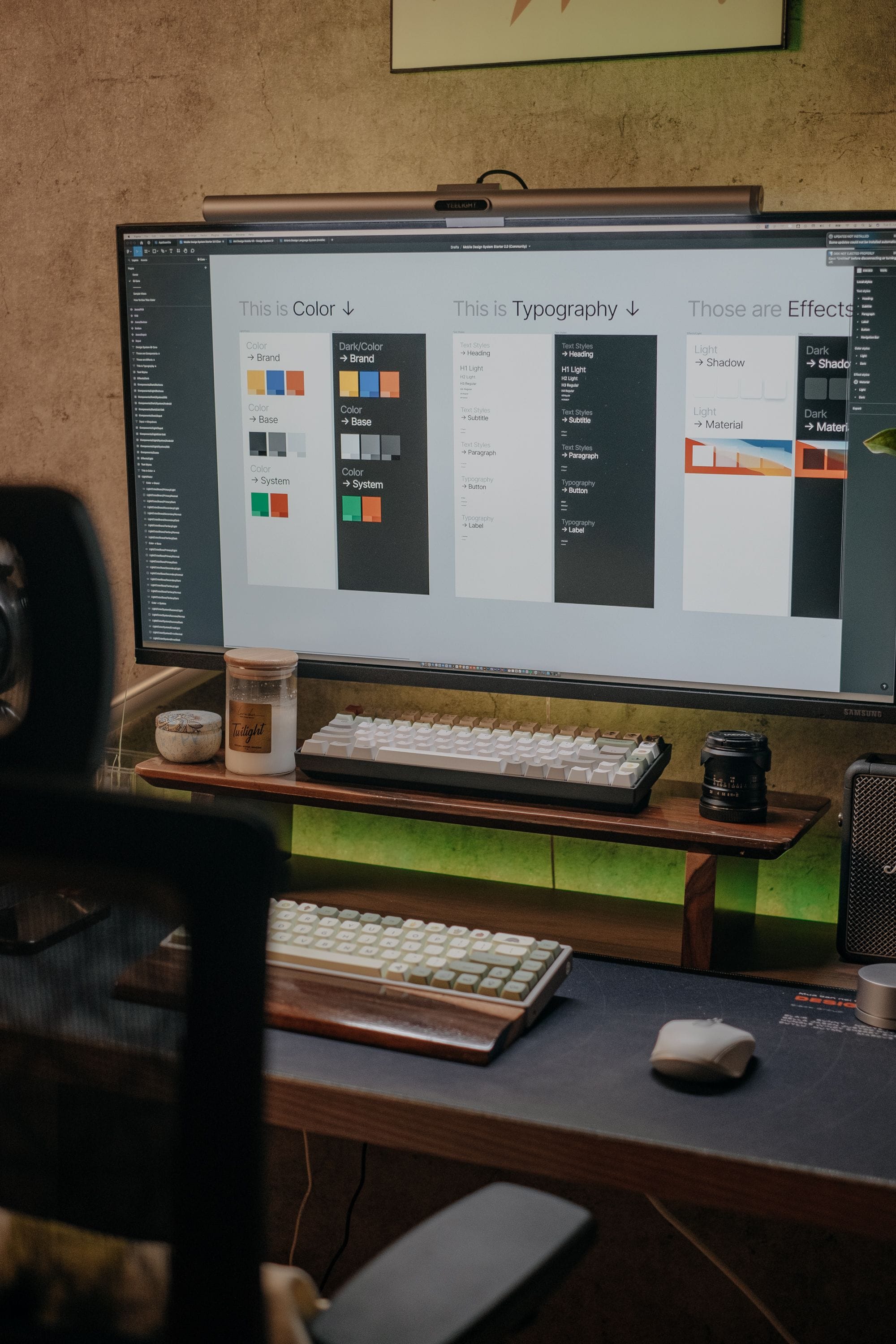
It is a collection of reusable principles, components, standards, and documentation that help teams create consistent digital experiences.
A design system typically includes:
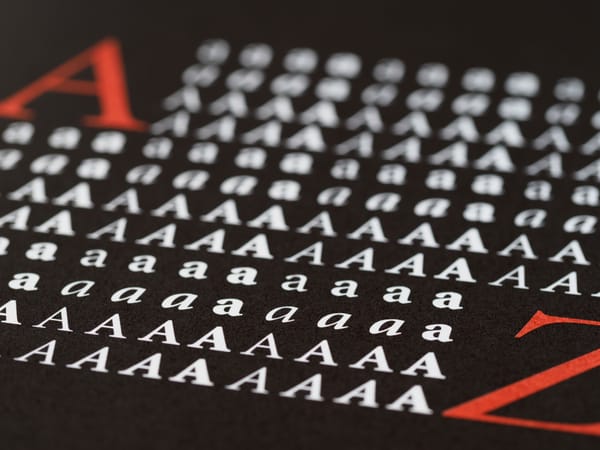
- Typography rules
- Color systems
- Grid structures
- UI components
- Design patterns
- Accessibility guidelines
- Brand standards
- Documentation
Rather than redesigning common elements repeatedly, teams can rely on established building blocks.
This approach improves efficiency while ensuring consistency across products and platforms.
Why Consistency Matters
Users rarely notice consistency.
However, they immediately notice inconsistency.
When digital experiences feel predictable, users can focus on completing tasks rather than learning new interface behaviors.
Consistency improves:
- Usability
- Trust
- Accessibility
- Efficiency
- Brand recognition
Strong design systems create a unified experience regardless of who designed or developed a particular feature.
"Design systems turn individual design decisions into repeatable organizational standards."
The Challenge of Scaling Creative Teams
Small teams can often maintain consistency through direct communication.
As organizations grow, this becomes increasingly difficult.
Multiple designers may approach the same problem differently.
Developers may implement components inconsistently.
Marketing teams may create assets that diverge from established branding.
Without shared standards, every project introduces new variations.
Over time, this creates:
- Design debt
- Development inefficiencies
- Brand inconsistency
- Increased maintenance costs
- Poor user experiences
Design systems help eliminate these issues by creating a common language for the entire organization.
Building Reusable Components
One of the most valuable aspects of a design system is component-based thinking.
Instead of designing individual pages, teams design reusable building blocks.
Examples include:
Buttons
Primary, secondary, and tertiary actions.
Forms
Input fields, validation states, and dropdowns.
Cards
Content containers used throughout products and websites.
Navigation Elements
Menus, breadcrumbs, and navigation patterns.
Content Modules
Reusable sections for articles, landing pages, and marketing content.
Once created, these components can be used repeatedly across multiple projects.
This significantly reduces design and development effort.
Faster Design and Development Workflows
Creative teams often spend considerable time solving problems that have already been solved.
A design system reduces unnecessary repetition.
Benefits include:
Faster Design Iteration
Designers can focus on solving user problems rather than recreating components.
Faster Development
Developers work from predefined patterns and specifications.
Improved Collaboration
Cross-functional teams share the same understanding of how products should be built.
Reduced Errors
Established standards minimize inconsistencies during implementation.
The result is a more efficient workflow across the entire organization.
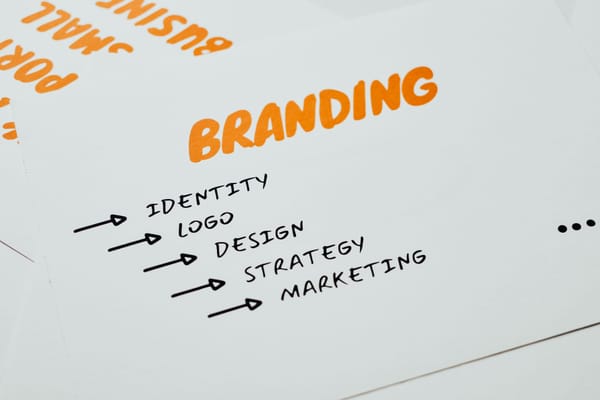
Design Systems Strengthen Brands
Many people associate design systems primarily with product design.
However, they are equally important for branding.
Every customer interaction contributes to brand perception.
A strong design system ensures that:
- Typography remains consistent
- Color usage follows standards
- Layouts feel familiar
- Components reflect brand personality
- Visual experiences remain cohesive
This consistency strengthens recognition and trust over time.
Users should feel like they are interacting with the same brand regardless of where they encounter it.
Accessibility Should Be Built In
Accessibility is often treated as an afterthought.
Modern design systems approach accessibility differently.
Accessibility should be integrated into every component from the beginning.
This includes:
- Color contrast standards
- Keyboard navigation support
- Screen reader compatibility
- Focus states
- Readable typography
- Responsive layouts
When accessibility is built into the system, every product benefits automatically.
This creates better experiences for all users.
Documentation Is the Foundation
A design system is only valuable if people understand how to use it.
Documentation transforms design decisions into organizational knowledge.
Good documentation explains:
- Why decisions were made
- When components should be used
- How components behave
- Best practices
- Accessibility considerations
Without documentation, consistency becomes difficult to maintain.
Documentation enables teams to scale effectively while preserving quality.
Design Systems Enable Creativity
A common misconception is that design systems limit creativity.
In reality, they often enhance it.
By standardizing routine decisions, designers gain more time to focus on innovation and problem-solving.
Creative energy can be directed toward:
- User needs
- Product strategy
- New experiences
- Content presentation
- Brand storytelling
The system handles consistency so teams can focus on creativity where it matters most.
Looking Ahead
As digital products become increasingly complex, design systems will continue to play a central role in how organizations build and scale experiences.
The most successful teams will not be those creating the most screens or components.
They will be the teams that create systems capable of supporting growth, collaboration, and consistency over time.
Design systems are not simply design tools.
They are organizational tools.
They align teams, strengthen brands, improve user experiences, and create a foundation for sustainable growth.
In a world where digital experiences are constantly expanding, a strong system is often what separates scalable brands from fragmented ones.